
Mental Wellness App Trends: What You Need to Know for 2025
Updated: Sep 7, 2025

As we move through the second month of 2025 and approach March, mental wellness continues to be a central focus for individuals and brands alike. With the growth of digital solutions, mental wellness apps have become crucial tools for managing mental health. To stay ahead of the curve, it’s essential to understand the trends shaping this space. Let’s explore the key trends in mental wellness apps heading into 2025.
1. AI-Powered Personalization
One of the most significant trends is the rise of Artificial Intelligence (AI) to provide highly personalized experiences. Mental wellness apps are utilizing AI to analyze user data and offer tailored recommendations for activities, exercises, and content. This level of customization enhances user engagement, ensuring that individuals have the right tools at their fingertips to manage their mental health.
2. Integration with Wearables and IoT Devices
The integration of mental wellness apps with wearables and IoT devices is becoming a standard expectation. Devices like smartwatches and fitness trackers collect real-time biometric data, such as heart rate, sleep patterns and stress levels, that can be analyzed within mental wellness apps. This integration allows users to take a more proactive approach to their mental well-being, empowering them with data-driven insights for self-care.
3. Physical Symptoms Without Clear Causes
Mental health issues can manifest physically. If someone experiences headaches, fatigue, digestive problems or sleep disturbances without a clear medical cause, it may be linked to stress, anxiety or depression. These physical signs are often overlooked, but they’re deeply connected to emotional health.
3. Focus on Preventative Mental Health
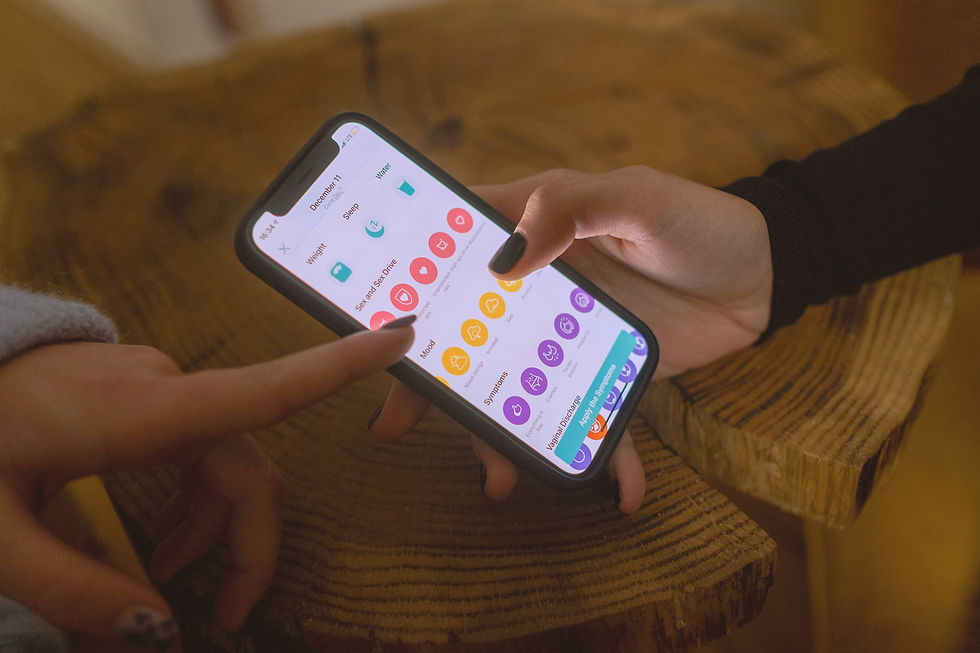
Mental wellness apps are increasingly shifting from reactive to proactive care. More users are turning to apps to prevent mental health issues before they arise. Features like mood tracking, daily check-ins, and stress management exercises are becoming central to these platforms. Preventative mental health tools are key to ensuring users can stay ahead of mental health challenges, leading to better long-term outcomes.
4. Teletherapy and Virtual Support
Teletherapy has quickly become a mainstay in mental wellness apps, with virtual support services continuing to expand. More apps are offering integrated teletherapy features, allowing users to connect with licensed therapists for real-time sessions. This increased access to virtual therapy is helping to eliminate barriers to care, making mental health support more available and convenient for individuals.
5. Data Privacy and Security
As the digital space grows, so does the need for stringent privacy and security measures. Consumers are increasingly concerned about the safety of their data. Mental wellness apps must prioritize transparency and security to protect users’ sensitive information. In a world where privacy is paramount, ensuring robust data protection will be essential for maintaining user trust.
6. Community Building and Social Support
Mental wellness apps are beginning to place more emphasis on building strong, supportive communities. Whether through forums, peer-to-peer support, or virtual groups, these social features foster a sense of belonging and connection. As mental health challenges become more widely discussed, the importance of community-driven support in digital spaces will only increase.
7. Gamification for Engagement
Gamification is another trend that will dominate. Mental wellness apps are incorporating game-like elements to boost engagement and make daily mental health practices more fun. By offering users rewards, achievements, or progress trackers, apps encourage long-term use and motivate users to stay committed to their mental health journey.
8. Mind-Body Connection
The integration of mind and body wellness will continue to grow in popularity. Mental wellness apps are offering more holistic experiences by incorporating physical wellness practices such as yoga, breathwork, and mindful movement. This trend reflects a growing recognition that mental health and physical well-being are closely connected, and supporting both aspects is essential for overall wellness.
The trends in mental wellness apps for 2025 are clear: personalization, integration, accessibility, and data security will shape the industry. It’s more important than ever for wellness brands to stay ahead of these developments, ensuring their platforms are equipped to meet the evolving needs of users. How do you think the growth of digital solutions and mental wellness apps will impact the future of mental health care?


Comments